Holiday Family Dynamics: Choosing Better Traditions
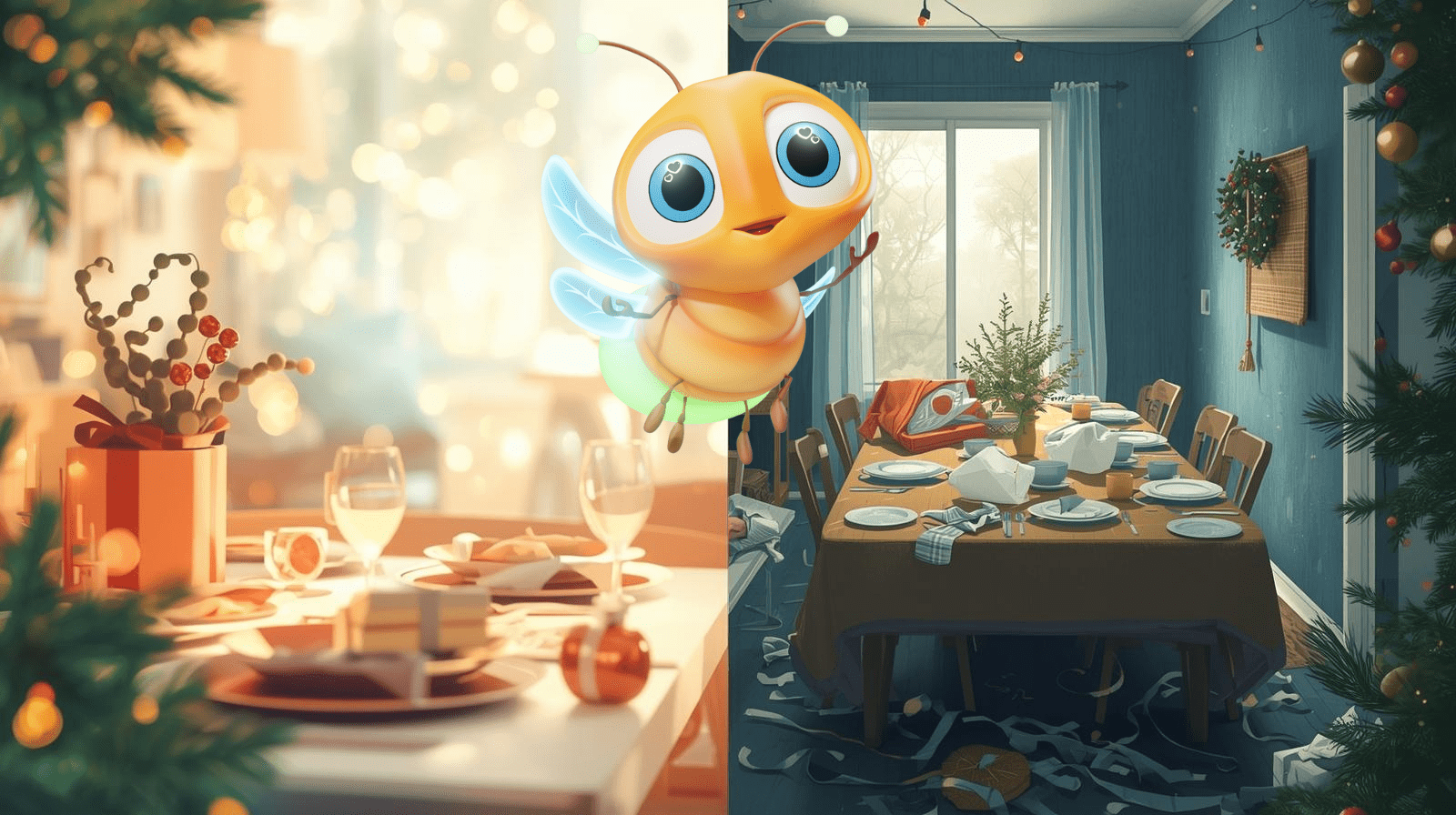
Every year, it happens. You’re sitting at that same table, hearing that same comment that makes your stomach tighten. The well-meaning aunt who asks why you’re still single. The parent who can’t resist comparing you to your sibling. The dinner that somehow devolves into the same argument it did last year, and the year before that.
Here’s what nobody talks about: family dynamics don’t pause for the holidays. They intensify.
When “Tradition” Becomes Dysfunction
The holidays reveal patterns. Annual gatherings compress months of family dynamics into concentrated moments—and suddenly every unresolved tension, every old wound, every familiar disappointment resurfaces right on schedule.
You might recognize these patterns: The peacekeeper who absorbs everyone’s stress. The scapegoat who gets blamed when things go wrong. The overachiever who never quite earns approval. These aren’t just roles—they’re learned behaviors passed down through generations, repeated until they feel like tradition themselves.
But here’s the truth: just because something happens every year doesn’t mean it should.
Recognizing What’s Repeating
This year, before you walk into that gathering, pause. What emotion do you typically leave with? Exhaustion? Inadequacy? Relief that it’s over?
These feelings are data. They’re telling you something about patterns that need attention.
Maybe it’s the family member who dominates every conversation. The passive-aggressive comments disguised as jokes. The expectation that you’ll perform happiness regardless of what you’re actually feeling. The pressure to maintain appearances while authentic struggles go unacknowledged.
Survival mode during the holidays isn’t a requirement—it’s a sign.
Creating Healthier Traditions
Breaking generational patterns doesn’t mean abandoning family. It means choosing to engage differently.
Start small. Set one boundary. Leave an hour earlier than expected. Decline to engage with loaded topics. Choose not to explain yourself when someone questions your choices. Take a walk when conversations become overwhelming.
Real traditions—the ones worth keeping—don’t require you to diminish yourself.
Consider building new practices that actually serve wellbeing. A morning check-in before gatherings. Processing difficult moments through journaling rather than suppressing them. Having a support person you can text during challenging interactions. Creating smaller, optional gatherings alongside larger ones.
The Permission You’re Waiting For
Here it is: You don’t owe anyone your emotional wellbeing as a holiday gift.
Choosing better doesn’t make you selfish. It makes you self-aware. The family members who truly care about you will understand—or they’ll learn to. The ones who resist your boundaries are usually the ones who benefited from you not having them.
This season, instead of bracing yourself for dysfunction, consider what one different choice might look like. Not perfection. Not fixing anyone. Just one choice that honors who you’ve become instead of who you used to be.
The best tradition you can start is treating yourself with the compassion you deserve. Start your journey today with Life and Me.